
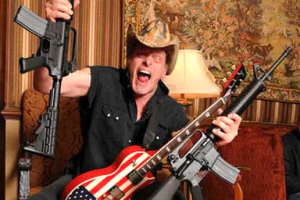
Ted Nugent or “The Nuge” is a hard rock/psychedelic guitarist whose musical career dates back to 1963. He has made his stance against drug and alcohol abuse part of his right-wing activism. He is an ardent Republican supporter, and is strongly in favour of gun rights. It is said that his stance against substance abuse had an influence on a part of the Punk Rock movement known as the “Straight Edge” movement.
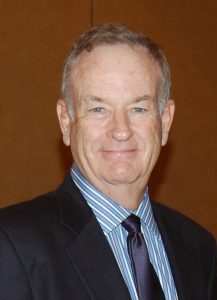
Bill O’Reilly, a host on Fox-TV, also won’t ever be accused of accusing the Republicans of anything wrong, unless it involves Donald Trump. And he is also teetotal. His show The O’Reilly Factor, was the highest-rated news show on the Fox network, and brought in the style of news commentary where afflicting the afflicted and comforting the comforted becomes the norm. But he would tell you that his roots are working class. This, like much of what he says, is disputed. However, he there is no disputing that he studied at Harvard; that he has had much experience in journalism before becoming part of the punditry machine that is Fox News.
Visits: 74
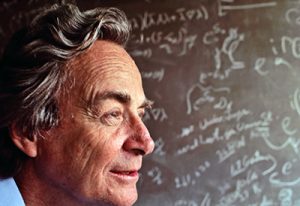
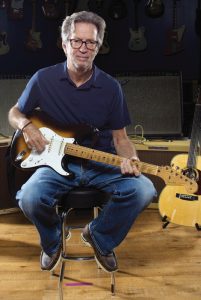
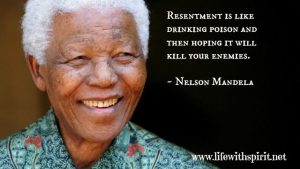 Nelson Mandela – An anti-Apartheid activist who paid for it with decades of imprisonment. He led an austere life where he never drank or smoked, and was gracious to people in all walks of life. He became recognized as the father of South African democracy, and has received many awards, among them the Nobel Peace Prize in 1993.
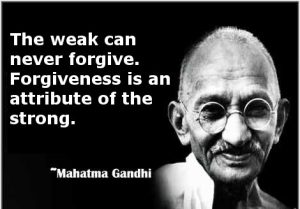 Mohandas K. Ghandi – The person who taught us passive resistance, overthrew British rule of India without a shot being fired, and was the inspiration for human rights groups around the world. In India, his birthday on October 2 has been declared a national holiday. He saw India gain its independence in 1947, but died in New Delhi a year later at the hands of an assassin named Nathuran Godse. He and co-conspirator Narayan Apte were sentenced to death by execution in 1949. It is ironic that the manner of justice brought before Ghandi’s assassins would have been something Ghandi himself would have strongly opposed. Back to the topic, Ghandi was definitely a teetotaler, and his reasons appeared to have been moral reasons. He was a supporter of prohibition, and in Ghandi’s memory, many Indian states have passed prohibition laws. But after our bout with prohibition in North America, we know you can’t legislate morality, since organized crime would push back even more, and deaths linked to distilling one’s own “home brew” will be on the rise, as is still being felt in many Indian states where the law is still in effect. The moral of this tale is that teetotaling, like morality, is as much of a personal choice as it ever was, rather than being something that needs to be imposed on people. I would rather say that “I can have all the booze I like: I just choose not to drink any”, and would feel better that teetotaling is an act of will. Passing laws takes away from the dignity of what ought to be a free choice.
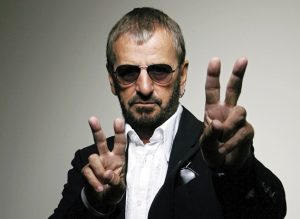 Ringo Starr (Richard Starkey) – One of two surviving Beatles who, from the 1960s, said in an interview after Sgt. Pepper words to the effect that drugs make you a lousy musician and artist: “we were just junkies dabbling in music”, he said in 2001. But as for alcohol, it took its toll on him during and after the Beatles’ breakup. He is clear of that now , and has been inducted twice into the Rock and Roll Hall of Fame: once for being a member of The Beatles, and once for his solo career.
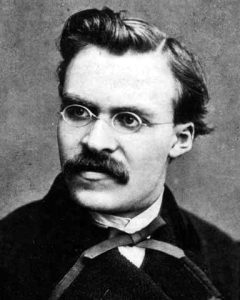 Friedrich Nietzsche (philosopher) – This German philosopher was one guy that never drank. He was frequently in frail health, both physically and mentally. Maybe he should have had a few schnapps. But he lumped alcohol and Christianity together as those two things that prevent us from facing our problems head-on. Alcohol dulls our senses, and never solves our problems, and we need to face life squarely and honestly, he would say. You have to respect that. Sadly, he died at age 55, never knowing the success of his contributions to philosophy. Even after his death, his contributions were used to justify anti-Semitism during the rise of the Third Reich. This was nonsense, of course, but it meant that the true value of his philosophies were not going to be seen until a half century after his death, or until the mid-20th century.